


Provitalize vs Probiotics
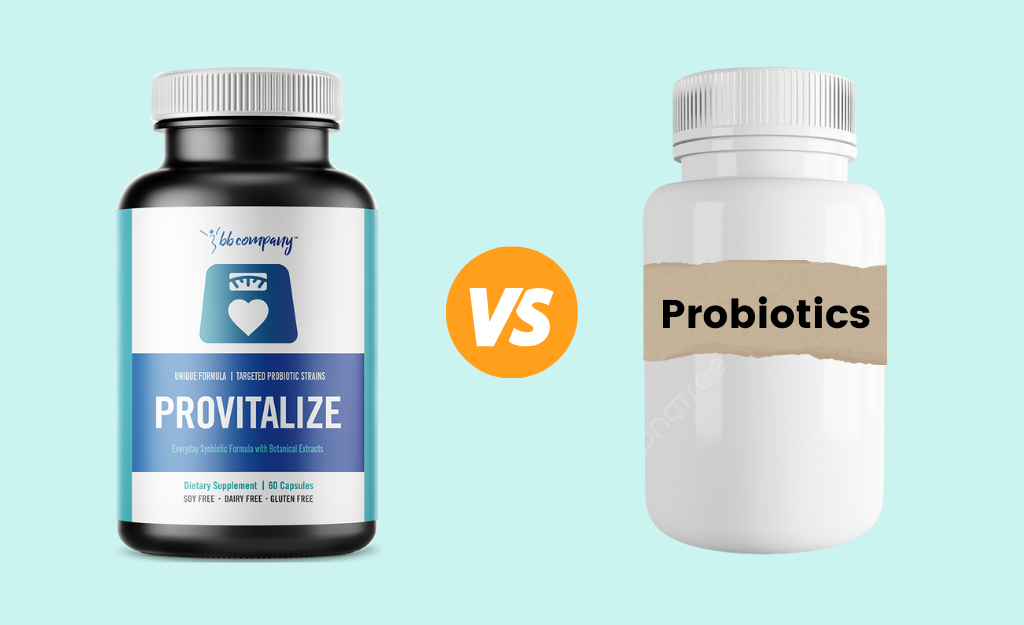

You've probably picked up a probiotic at some point. Maybe it was recommended by a friend, or you grabbed one off the pharmacy shelf because the label promised better digestion. And maybe it helped — or maybe you couldn't really tell.
So when Provitalize comes up, the first question is usually: how is this different from the probiotics I've already tried?
It's a reasonable thing to wonder. After all, is Provitalize a probiotic? Technically, yes — it contains probiotic strains. But that's a bit like describing a meal by listing one ingredient. The Provitalize vs probiotics conversation gets more interesting when you look at what else is going on in the formula, and this Provitalize vs probiotics guide breaks down those differences.
The Role of Probiotics
To make sense of the comparison, it helps to understand what probiotics are actually doing — and why they've become such a go-to in the first place.
What Probiotics Actually Do
Probiotics are live microorganisms. Beneficial bacteria, essentially. When you consume enough of them, they support the balance of your gut microbiome — the trillions of bacteria, fungi, and other organisms living in your digestive system.
That microbiome does more than digest food, though. It influences immune function, metabolism, mood, energy. When the balance tips toward more harmful bacteria than helpful ones, things start to feel off: bloating, irregular digestion, fatigue, stubborn weight that won't budge.
Probiotics help shift that balance back. They introduce beneficial strains that crowd out the less helpful ones and support how your gut works overall. Pretty straightforward in theory — but the execution varies a lot depending on what you're actually taking.
Strain and CFU Considerations
Not all probiotics work the same way, though. Two factors matter quite a bit: which strains are included, and how many colony-forming units (CFUs) you're getting per dose.
Different strains have different effects. Some support immune health. Some help with bloating. Some have been studied specifically for metabolic support. A lot of generic probiotics include strains chosen more for cost or shelf stability than for targeted benefits.
CFU count gets a lot of attention too, but higher numbers don't automatically mean better results. What matters more is whether the strains have research behind them at the dosage provided — and whether they can survive the trip through your stomach acid.
Who Needs Probiotics Most?
Honestly, most people could benefit from some probiotic support. But certain situations make a bigger difference. If you've recently taken antibiotics, deal with ongoing stress, or eat a diet low in fiber and fermented foods, your gut flora may be more depleted than average. For people in those situations, adding probiotics can produce noticeable changes.
The same goes for anyone dealing with persistent bloating, irregular digestion, low energy, or stubborn weight. These can all trace back to gut imbalance — and addressing that foundation sometimes helps more than targeting the symptoms directly.
Introducing Provitalize: More Than Just a Probiotic Supplement
So where does Provitalize fit into this?
Provitalize is a probiotic supplement — that part's true. But describing it as "just a probiotic" misses what makes it different. The formula was designed to combine targeted probiotic strains with botanical extracts, addressing multiple systems rather than focusing narrowly on digestion.
This multi-pathway approach is what makes the Provitalize vs probiotics comparison interesting. It's not whether Provitalize contains probiotics (it does). It's what else the formula brings along.
What Probiotics Does Provitalize Contain?
The ingredients in Provitalize include three specific strains, each selected for particular reasons:
L. Gasseri SBT2055 has been studied for its potential effects on metabolic health and body composition. You won't find this in most generic probiotic formulas.
B. Breve IDCC04401 supports microbiome diversity and has been linked to improved digestive comfort and metabolic function.
B. Lactis R101-8 contributes to immune support and healthy inflammatory response — benefits that extend beyond basic gut health.
These weren't thrown together randomly. They were chosen to work together on metabolism, gut health, and inflammation.
Other Powerful Ingredients to Bolster Results
Here's where Provitalize really separates from standard probiotics. The formula also includes botanical extracts that extend and amplify what the probiotics do:
Turmeric Root Extract (95% Curcuminoids) provides anti-inflammatory and antioxidant support. Curcumin has a long history of traditional use, and modern research continues to back up many of those benefits.
Moringa Leaf Extract offers antioxidant properties and may support energy and metabolic function.
Curry Leaf Extract contributes additional antioxidant activity and supports healthy inflammatory response.
BioPerine® (Black Pepper Extract) enhances absorption of the other ingredients — which matters more than people realize. Taking something is one thing; actually absorbing it is another.
This combination means Provitalize isn't just adding beneficial bacteria to your gut. It's supporting the broader systems that influence how you feel from day to day.
Who Could Benefit From Provitalize?
The benefits of Provitalize extend to anyone looking for more comprehensive support rather than single-issue relief. If you care about gut health but also want help with metabolism, inflammation, energy, or weight management, the formula addresses all of those.
Provitalize weight loss support is one of the most discussed benefits, but users also report reduced bloating, steadier energy, better appetite regulation, and improvements in overall wellbeing. The effects tend to build over time with consistent use.
Provitalize vs Other Probiotics: How Does Our Formula Compare?
So how does Provitalize vs other probiotics actually shake out? A few areas matter most.
Whole-Body Support vs Gut Health Alone
Standard probiotics focus primarily on digestive health. They may help with bloating, regularity, or general gut comfort — and that's genuinely valuable. But for most generic formulas, that's where the benefits stop.
This is where Provitalize vs other probiotics starts to diverge. Provitalize takes a wider approach — combining probiotics with anti-inflammatory botanicals to support gut health while also addressing metabolism, energy, and the body's inflammatory response. It's the difference between addressing one thing and supporting multiple systems that work together.
What Users Typically Report
Generic probiotic users often report digestive improvements — less bloating, better regularity. Real benefits, but fairly focused.
Reviews on Provitalize tend to tell a broader story. Users frequently mention digestive improvements, but also easier weight management, more stable energy throughout the day, reduced joint discomfort, and better mood stability. The multi-ingredient approach seems to produce results across multiple areas.
Tolerance and Side-Effect Landscape
Most probiotics are well-tolerated. Some people experience temporary bloating or gas as their gut adjusts to new bacterial strains — this is normal and usually fades within a week or two.
The side effects of Provitalize are similar. Some users notice digestive adjustment in the first week as their microbiome adapts. The botanical ingredients are generally gentle, though anyone with specific sensitivities should check the full ingredient list.
As with any supplement, it's worth discussing with a healthcare provider if you have existing health conditions or take medications.
Cost and Value for Money
Generic probiotics range widely — from budget options under $15 to premium formulas over $50. The question is always what you're actually getting. And honestly, this is where Provitalize vs probiotics comes down to math as much as anything else.
Provitalize is priced at $53 for a single bottle, with discounts for multi-bottle purchases and subscriptions (20% off monthly, 25% off quarterly). Given that it combines targeted probiotic strains with botanical extracts — essentially bundling what might otherwise require multiple supplements — many users find the value makes sense. You're not just buying a probiotic; you're getting a more comprehensive formula.
Why Provitalize Might Be the Smarter Choice
Comparing Provitalize vs probiotics really comes down to what you're looking for.
If basic digestive support is all you need, a standard probiotic could work fine. But if you want something that supports gut health while also addressing metabolism, inflammation, energy, and weight management, Provitalize offers broader coverage in one formula.
The carefully selected strains, research-backed botanicals, and absorption-enhancing ingredients work together. It's designed to support multiple systems so they can function better as a whole.
Parting Thoughts on Provitalize vs Probiotics
Probiotics are valuable — they've earned their place in the wellness conversation. But not every probiotic supplement is designed with the same intention or level of thought behind it.
Provitalize vs other probiotics isn't quite an apples-to-apples comparison. The formula was built to be more than a standard probiotic from the start, and that philosophy shows in how the ingredients work together. For anyone who's tried generic options and found them helpful but limited, Provitalize might be worth exploring.
And if you're new to probiotics entirely, starting with a comprehensive formula means you won't need to piece together multiple supplements down the road.
Whichever direction you go, consistency matters. Give any probiotic — Provitalize included — at least four to six weeks of daily use before evaluating results. Your gut microbiome doesn't change overnight, but with patience, the shifts can be meaningful.
English